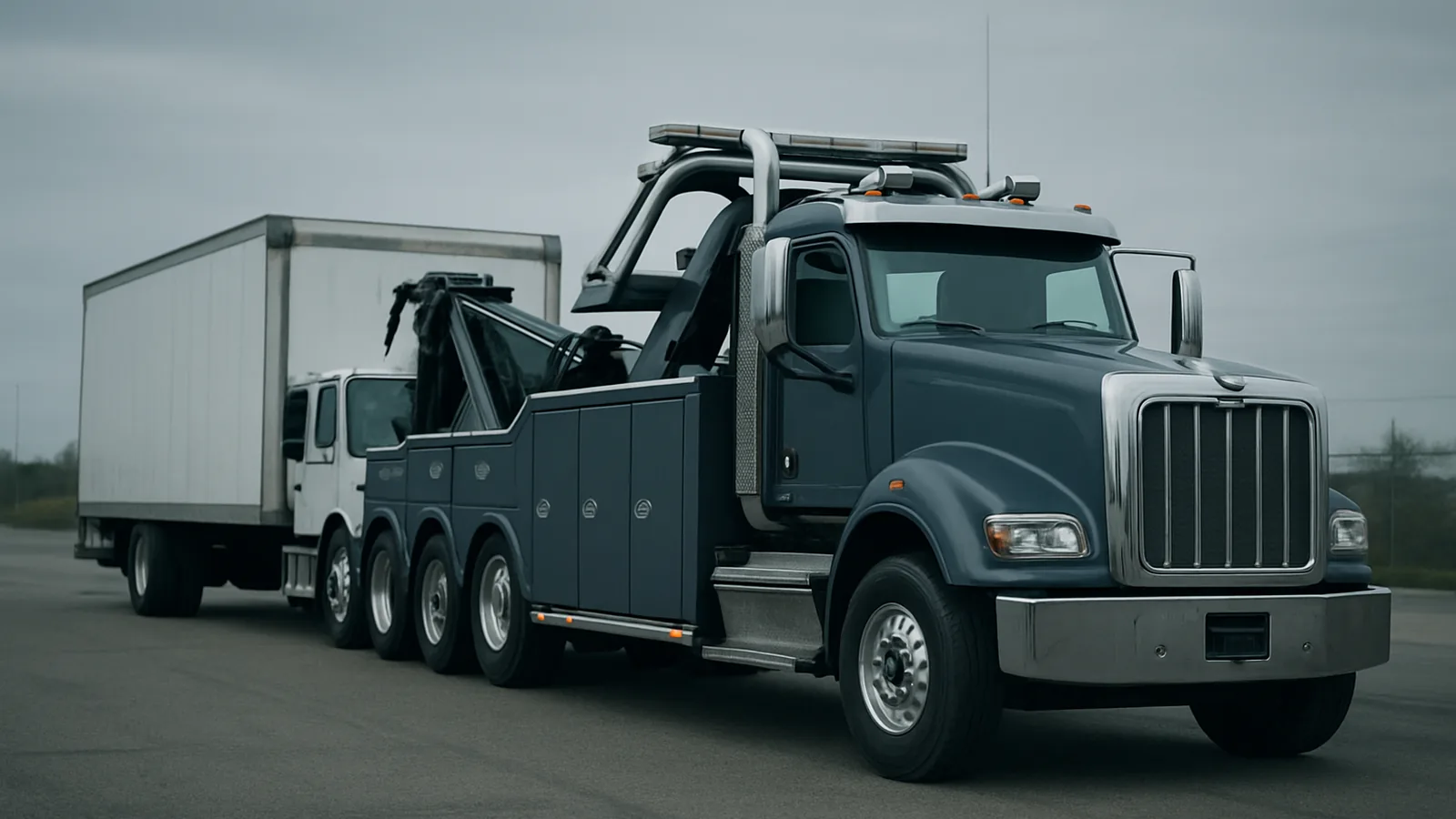
Medium-Duty Towing in Flower Mound, TX
Van, box truck, or dually down? Call for medium-duty towing with the right wrecker, careful handling, and an honest quote upfront.
Medium-Duty Towing for Vans, Box Trucks & Bigger Rigs
Medium-duty towing fills the gap between a passenger tow and a full heavy wrecker. It covers cargo vans, box trucks, shuttle buses, dual-rear-wheel pickups, and work trucks loaded with tools and gear. These vehicles are too heavy and too long for a light-duty truck to lift and tow safely, so they need a wrecker with the right rating, boom, and rigging.
When a work vehicle goes down in Flower Mound, every hour it sits costs money. A delivery van stalled on FM-2499, a box truck with a blown transmission near Lakeside DFW, a loaded dually that quit on US-377: each gets the right medium-duty truck and an operator who knows how to load it without adding damage.
The Right Wrecker, Matched to the Weight
Weight ratings are the line between a safe tow and a risky one. A light-duty truck is built for cars and half-ton pickups; a medium-duty wrecker carries the boom capacity and the axle rating to move a loaded van or a box truck without overloading the towing vehicle. Sending the correctly rated truck the first time is faster and safer than discovering on scene that the job is bigger than the equipment.
Tell the dispatcher the type of vehicle, a rough weight, and whether it is loaded, and the right truck heads out with the right plan. For the heaviest jobs and recoveries, the same call routes to the equipment that fits.
Commercial & Fleet Vehicles
A down commercial vehicle is a stopped route and a missed schedule. Medium-duty towing for vans and work trucks is built around getting the unit moving again quickly, with a dispatcher who answers fast and a quote you hear upfront. Whether it is a single van or a unit out of a small fleet, the standard is the same: the right truck, careful handling, and a haul to the shop, yard, or dealer you choose.
Flower Mound sits on busy commercial routes along I-35E, SH-121, and US-377, so a fast medium-duty response keeps a breakdown from turning into a lost day.
What to Tell the Dispatcher
Medium-duty calls go smoother when the dispatcher has the full picture, because the right truck for a cargo van is not the right truck for a loaded box truck. The most useful details are the vehicle type, a rough weight, whether it is loaded and with what, and the situation it is in.
- Vehicle type and rough weight (empty or loaded)
- Where it is: shoulder, lot, loading dock, or off the road
- Any low clearance or tight turns around you
- Where it needs to go: shop, dealer, yard, or address
Keeping a Work Vehicle Moving
For a small business, a down van or box truck is a stopped route, a missed delivery, and a frustrated customer. The faster the unit gets to a shop, the sooner the work resumes, which is why medium-duty calls get fast dispatch and an upfront quote. You are not left guessing at the cost while the clock runs and the schedule slips.
The same care that protects a passenger car protects a work truck. The operator matches the wrecker to the weight, loads the unit so the frame and drivetrain take no strain, and hauls it to the shop, yard, or dealer you choose. A breakdown is bad enough without a tow that creates a second repair.
RVs, Trailers & Bigger Loads
Medium-duty also covers the larger personal vehicles that a light-duty truck cannot handle: motorhomes, big trailers, and dual-rear-wheel haulers. These need a truck rated for the weight and length, plus an operator who knows how to rig and tow them without damage. Tell the dispatcher what you are moving and whether it is loaded.
If a trailer broke down loaded, the right plan comes with the call so the load stays secure. For lighter vehicles and standard cars, see light-duty towing, and for damage-free transport of anything that should ride flat, see flatbed towing.
What to Expect on a Medium-Duty Call
A medium-duty job starts with a clear conversation. The dispatcher asks what the vehicle is, roughly what it weighs, whether it is loaded, and where it sits, because a cargo van and a loaded box truck need different trucks and different rigging. A minute on the phone makes sure the right equipment shows up the first time.
On scene, the operator sizes up the vehicle and the space, sets the wrecker, and rigs the unit so the frame and drivetrain take no strain. Bigger vehicles in tight spots, a dock, a narrow lot, a shoulder against a barrier, take a little more planning, and that planning is exactly what protects the vehicle and everyone around it.
From there it is a steady haul to the shop, yard, or dealer you name. You had an upfront quote before the truck rolled, so the bill holds no surprises, and a down work vehicle is back on the path to running instead of sitting another day.
Medium-Duty Towing Questions
What is the difference between light- and medium-duty towing?
Light-duty covers cars, SUVs, and half-ton pickups. Medium-duty covers heavier, longer vehicles like cargo vans, box trucks, shuttle buses, and dual-rear-wheel rigs that need a larger wrecker to lift and tow safely.
Can you tow a loaded box truck?
Yes. Tell the dispatcher the vehicle, a rough weight, and whether it is loaded so the correctly rated wrecker and the right rigging come with the call.
Do you handle commercial and fleet vehicles?
Yes. Commercial vans and work trucks get the same fast dispatch and an upfront quote, so a down unit spends less time off the road.
How is medium-duty pricing set?
It scales with the vehicle and its weight, the distance, and whether it is a straight tow or a recovery that needs rigging first. You get a clear quote on the phone before a truck is dispatched.
Need Medium-Duty Towing? Call Now.
Open 24 hours · Flower Mound, TX 75022 / 75028